
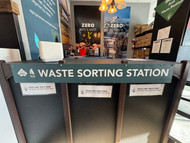
Case Study | Kirkwood Mountain Resort On-Site Food Waste
Posted by Eco-Products on Apr 3rd 2026
Ski Resort Composting Case Study
How Kirkwood Mountain Resort Tested Compostable Packaging With an On-Site Food Waste Digester
Facing long trips to distant composting facilities, Kirkwood installed an on-site food waste digester and worked with Eco-Products to test whether selected fiber-based foodservice packaging could fit into its processing and sorting practices.

Case Study at a Glance
Organization
Kirkwood Mountain Resort
Industry
Ski Resort & Hospitality
Location
Kirkwood, California
Program
On-Site Organics Processing
Program Overview
Remote mountain resorts have a difficult combination of foodservice waste, seasonal volume, severe weather and limited nearby composting infrastructure. At Kirkwood Mountain Resort near Lake Tahoe, employees were personally driving food scraps to a distant composting site because they wanted the material diverted rather than landfilled.
Kirkwood’s sustainability and operations teams pursued a more durable solution: processing food scraps on site with an in-vessel digester. Once the system was in place, Eco-Products helped investigate whether selected fiber-based compostable foodservice items could also be handled successfully during that initial processing step.
The Challenge
Replacing Long-Distance Hauling With a Workable Mountain Resort System
Kirkwood employees had been transporting food scraps at least 45 minutes to an off-site composting location. The approach depended on exceptional staff initiative and was difficult to sustain as dining operations generated more material.
Kirkwood needed a process suited to a remote site with cold weather, changing seasonal demand and wildlife-management concerns. Even after installing a digester, foodservice packaging presented a separate question: would the system handle certified compostable items without disrupting food-waste processing or confusing sorting staff?
The Solution
Test Materials Under Real Digester Conditions
Kirkwood first trialed a smaller on-site digester, then moved to a larger system as restaurant food-waste volumes exceeded the initial capacity. The resort’s sustainability and foodservice teams already had a working diversion process when an Eco-Products specialist joined the effort in February 2025.
Eco-Products supplied several types of compostable foodservice packaging for trials and shared operational guidance for in-vessel processing. That included avoiding nested cups, bowls and plates; maintaining an appropriate mix of food and packaging; and making sure employees understood which items were approved for the trial.
After several months of testing, Kirkwood’s team reported that selected fiber-based items performed well in its digester. Eco-Products also met with the sustainability and food-and-beverage operations teams to refine sorting instructions and examine how compostable products and a developing reusables pilot could complement one another.
Eco-Products Support
Support That Connected Packaging and Operations
The collaboration focused on practical decisions that helped the customer operate its program.
Packaging Substrate Trials
Provided different compostable material types so the resort could evaluate how selected items behaved in its own digester.
Operational Training
Advised staff not to nest serviceware and to maintain a workable food-to-packaging mix during testing.
Sorting Alignment
Helped sustainability and foodservice managers clarify which items belonged in the organics processing system.
Reuse + Composting Planning
Supported discussions about how reusable serviceware and selected compostable products could be coordinated across dining operations.
The Results
Successful Fiber Trials and an Established Food-Waste Program
12 tons
Food waste Kirkwood reported diverting through its digester in a prior ski season; not an Eco-Products-attributable figure.
2025
Year Eco-Products joined testing and staff coordination efforts.
Fiber trials
Selected fiber-based foodservice items reportedly performed well in the on-site digester.
Kirkwood reported diverting 12 tons of food waste through its digester during the season described in a 2025 ski-industry report. That figure reflects the resort’s organics program and should not be described as material diverted through Eco-Products’ packaging work.
The Eco-Products-supported trials established promising on-site performance for selected fiber-based foodservice items and helped foodservice and sustainability teams improve handling and sorting. The original case notes describe the digester output moving into an off-site compost stream, but published downstream processor rules exclude compostable packaging. The final handling and acceptance of any packaging-derived residue must be confirmed before this case study makes a stronger claim about end-to-end composting.
Lessons for Foodservice Teams
An On-Site Digester Is Only One Part of the System
Kirkwood illustrates why remote operators may need different organics systems from urban campuses or stadiums. On-site processing can reduce reliance on staff hauling, but success also depends on product compatibility, consistent sorting and a verified downstream destination.
For operators evaluating food waste digesters, an encouraging on-site packaging trial should be treated separately from a claim that the packaging is accepted and fully composted downstream.
Five Takeaways for Foodservice Teams
- Identify the logistical constraints of a remote location before designing a collection program.
- Pilot packaging in the actual processing equipment and document what happens to each material.
- Train staff on product identification, nesting and mixing practices during trials.
- Consider reusable and compostable foodservice products together rather than as competing strategies.
- Confirm downstream processor acceptance of both digester residue and packaging-related material before claiming complete composting.
Talk With Eco-Products About Your Composting Program
Foodservice packaging works best when product choices, collection systems, and local processing requirements are planned together. Eco-Products can help your team evaluate the options.
Contact Eco-Products to discuss your foodservice and waste diversion goals.
Contact Eco-Products