
Molded Fiber Packaging: What Foodservice Operators Need to Know
Posted by Eco-Products on Aug 11th 2026
SUSTAINABILITY
Molded Fiber Packaging: What Foodservice Operators Need to Know
Molded fiber has earned a place in many foodservice operations because it combines versatility, performance, and a natural appearance. This article breaks down what operators should know before making packaging decisions.

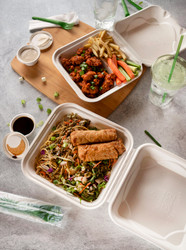
Molded fiber packaging has come a long way. Once used mostly for basic plates and trays, it is now available in a much wider range of clamshells, bowls, containers and lids designed for everything from burgers and sandwiches to hot entrées and grab-and-go meals.
That gives foodservice operators more options for matching packaging to different menu items and service needs. The best choice depends on the food, how long it will remain in the container, and how well the packaging needs to handle heat, grease, moisture, and transport.
Here are a few things to keep in mind as you consider molded fiber packaging for your operation.
What is molded fiber?
Molded fiber is a fiber-based material formed into rigid foodservice products such as plates, bowls, trays, clamshells, and lids. Depending on the product, it may be made with renewable raw materials or recycled fiber and shaped into durable packaging for foodservice. Depending on how the molded fiber product is made, it can also be compostable in commercial facilities, helping support waste diversion and sustainability goals. A good way to confirm if a product is compostable is to look for the BPI Compostable logo.
Over the past several years, manufacturers have expanded the range of molded fiber products available while improving strength, stackability, and overall performance.
Eco-Products' Vanguard® molded fiber line includes plates, bowls, containers, clamshells and lids made with molded fibers like sugarcane and bamboo. The products are microwaveable, freezable, grease- and cut-resistant, made with no added PFAS, and meet ASTM standards for compostability . They are also certified compostable through the Biodegradable Products Institute (BPI) .

Where Molded Fiber Works Well
One reason molded fiber has become more popular is its versatility.
It performs well across a wide variety of menu items, including sandwiches, burgers, grain bowls, salads, hot entrées and many grab-and-go meals. Restaurants, college campuses, hospitals, workplace cafés, corporate dining programs and catering operations all use molded fiber products in different ways.
In many cases, operators can use the same containers across multiple menu items instead of stocking different packaging for each one. That can simplify purchasing, storage, and back-of-house operations.
Questions to Consider Before Choosing Molded Fiber
Every menu is different, so it helps to evaluate packaging based on how it will actually be used. Ask questions like:
- Will customers eat on-site or take the food elsewhere?
- How long will the food stay in the package?
- Will the container need to hold up to heat, grease or moisture?
- Does the customer need to see the food before purchasing?
- Will containers need to stack efficiently?
The answers can help narrow the field and determine whether molded fiber is the best fit for a particular application.
Don't Overlook Presentation
Packaging affects more than performance.
Many operators appreciate molded fiber’s clean, natural appearance. That can be especially valuable in cafés, universities, healthcare dining, and workplaces where the packaging is part of the overall dining experience.
At the same time, visibility can still matter, especially for grab-and-go salads, desserts, and other foods customers want to see before they buy. Clear lids can pair with molded fiber bases, keeping the food visible for customers.
Consider What Happens After the Meal
Packaging decisions shouldn't end once the food is served.
Certified compostable molded fiber products are made with renewable raw materials, giving operators an alternative to conventional plastic packaging. Where commercial composting is available, they can also help support waste diversion goals by composting the package and any food scraps.
Think Beyond the Container
The package is only one part of the decision.
Storage space, purchasing, employee training, and customer education can all affect how well a waste diversion program works. Looking at your entire operation instead of focusing on an individual container often leads to better, long-term decisions.
That’s also why many foodservice operators often use a mix of packaging materials rather than relying on a single solution for every menu item.
Finding the Right Fit
- Molded fiber has earned a place in many foodservice operations because it combines versatility, performance, and a natural appearance. The main question is not whether it works, but which product is best suited to the food and the way it will be served.
- Eco-Products offers a broad selection of Vanguard® molded fiber products , and our Product & Zero Waste Specialists can help you choose packaging that fits your menu, operation and local waste infrastructure. Even better, their guidance is free of charge.
- When matched to your menu, molded fiber can be more than a smart packaging choice. It can perform well for your operation while helping you make real progress toward your sustainability goal.
Related Resources
How our GreenStripe Products Help Keep Food Out of Landfills
Eco-Products and DNO Produce Help Bring Environmental Sustainability to K-12 School Cafeterias
Explore More Eco-Products Stories
Read about new products, waste diversion success stories, company news, and more.
Read More Stories