
Better Design, Better Sorting: How to Improve Waste Diversion at the Bin
Posted by Eco-Products on Jun 15th 2026
Waste Diversion
How Better Bin Stations Can Improve Waste Diversion
Clear labels, thoughtful placement, and a simple three-stream system can make recycling and composting decisions easier at the exact moment they matter.
Posted by Eco-Products

A recyclable container goes into the trash. Food waste ends up in recycling. Over time, contamination builds, and materials that could have been recovered are discarded instead. The most successful diversion programs address this problem at the source: the bin station itself.
Across foodservice operations, campuses, stadiums, and workplaces, waste diversion depends on one simple moment: when someone is standing at the bins deciding where an item goes. When that decision is easy, recyclable and compostable materials can enter the appropriate waste stream and be recovered. When it is confusing, those materials often end up in the landfill instead.
For organizations looking to improve diversion, the key is not simply offering recycling or compost collection. It is designing a system that makes the right choice easy and obvious.
The Foundation
Start With a Clear Three-Stream System
Most successful waste diversion programs rely on three basic streams: recycling, compost, and trash, or landfill.
Recycling
Typically includes materials such as aluminum cans, glass bottles, and certain plastics, depending on local recycling guidelines. These materials are collected, processed, and turned into new products.
Compost
Designed for organic materials such as food scraps, coffee grounds, fruit and vegetable trimmings, and often food-soiled paper. Certified compostable foodservice packaging may also be accepted where local facilities allow it.
Trash
Used for the remaining materials that cannot currently be recycled or composted within the local collection system.
Separating materials where they are generated, rather than trying to sort them later, is known as source separation. It is one of the most effective ways to keep recoverable materials out of landfills.
At the Point of Disposal
Make Sorting Easy
For guests, customers, and employees, sorting should be quick and intuitive. A few simple practices can help keep waste streams cleaner:
- Empty containers before recycling: Bottles and cans should be mostly empty so leftover liquids do not contaminate other materials.
- Place food scraps and food-soiled paper in compost: Items such as leftover food, napkins, and paper towels belong in this stream where they are locally accepted.
- Avoid “wish cycling”: Putting an uncertain item into recycling can contaminate the stream. When an item clearly does not belong in recycling or compost, the trash bin is usually the safer choice.
Small improvements in sorting accuracy can significantly increase how much material is successfully recovered.
Design for Real Behavior
Build Bin Stations People Can Understand Quickly
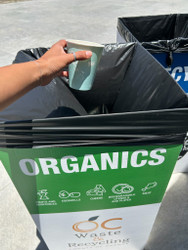
- Place all three bins together: When only one bin is visible, people will usually use it regardless of the item.
- Use clear labels and simple images: Visuals of common items help people make fast, confident decisions.
- Place bins where waste is generated: Stations near beverage areas, food counters, dining spaces, and exits make correct sorting easier.
When bin stations are easy to understand and conveniently located, people are far more likely to sort their waste correctly.
Continuous Improvement
Monitor, Learn, and Improve
Successful diversion programs rarely stay the same. They improve over time. Many organizations conduct periodic waste audits, reviewing a sample of materials to understand what is ending up in each stream. These audits can reveal patterns that create a roadmap for improvement.
Once those patterns are identified, operators can adjust signage, change bin placement, or refine packaging choices to make sorting easier.
This is where waste specialists can be especially valuable. The Eco-Products Product & Zero Waste Specialists help connect the dots across the waste stream by evaluating materials, identifying contamination drivers, and recommending practical changes that make sorting easier at the bin.
When sorting is clear and intuitive, customers and staff are more likely to get it right. The result is less material sent to landfill and more material recovered through recycling and composting, simply because the system was designed to make the right choice easy.
What to Remember
- Keep recycling, compost, and trash bins together as one station.
- Use simple labels and images based on the items people actually discard.
- Place stations where waste is generated and decisions naturally happen.
- Use waste audits and contamination patterns to keep improving the system.
Strengthen Your Waste Diversion Program
Eco-Products Product & Zero Waste Specialists can help evaluate materials, contamination patterns, signage, bin placement, and collection systems.
Meet the PZW Team Read More Stories