
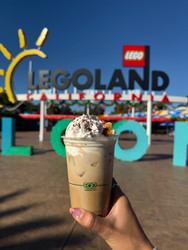
Building a Better Waste System, Brick by Brick at LEGOLAND California
Posted by Eco-Products on Mar 17th 2026
Composting Program Case Study
How LEGOLAND California Built a Front-of-House Composting Program With Eco-Products
Eco-Products helped LEGOLAND California Resort connect certified compostable packaging, field testing, guest-facing sorting, bin placement, and hauler coordination in one practical front-of-house program.

Case Study at a Glance
Organization
LEGOLAND California Resort
Industry
Theme Park & Hospitality
Location
Carlsbad, California
Program
Front-of-House Composting
Solutions, Block by Block
LEGOLAND California Resort needed a front-of-house composting program that could work across busy dining areas, align with local and state composting requirements, and help guests sort correctly in the moment.
Eco-Products supported LEGOLAND with more than certified compostable packaging. Beginning in 2023, the team provided product selection, field testing, signage guidance, bin placement support, and coordination with the park and its local hauler.
Together, this support enabled LEGOLAND to move from a two-bin system for recycling and landfill streams to a three-bin collection program for compost, recycling, and landfill streams across the park.
The Challenge
Turning Composting Requirements Into a Workable Guest-Facing System
For LEGOLAND California Resort, front-of-house composting had to fit into the pace of a busy theme park. Dining areas serve a wide range of menu items, from meals and snacks to drinks and desserts, and guests need to sort packaging and food scraps quickly before moving on.
The park also needed to identify a composter that accepted certified compostable packaging and make sure each part of the collection program aligned with local requirements. Packaging choices, signage, bin placement, and hauler requirements all had to work together to help reduce confusion and minimize contamination.
The Solution
Planning the Program Around Real Park Operations
Eco-Products worked with LEGOLAND to select certified compostable packaging for the park’s foodservice needs, then helped validate those choices through field testing at Republic’s Otay Sustainability Park.
Product selection also had to reflect real operating conditions across the park. Items needed to work with different menu offerings, including hot foods and sauces, while fitting into the park’s fast-paced foodservice operations without requiring staff to change how they served guests.
The support also extended to the guest-facing parts of the program. Eco-Products provided guidance on signage and bin placement, helping LEGOLAND connect packaging decisions with the collection system guests would use in dining areas.
Coordinating Packaging and Collection Requirements
To help the program work within local requirements, Eco-Products also coordinated with LEGOLAND and its hauler. That collaboration helped bring the operational pieces together, from product selection and testing to the three-bin collection setup for compost, recycling, and landfill streams.
Eco-Products Support
Practical Support From Planning Through Implementation
The work focused on the practical pieces LEGOLAND needed to move from planning to implementation.
Packaging Selection
Matched certified compostable packaging to the food and beverage items served across the park.
Local Field Testing
Supported testing at Republic’s Otay Sustainability Park to evaluate how selected packaging performed within the local composting system.
Guest-Facing Sorting Guidance
Provided signage input to help guests understand where compost, recycling, and landfill items belonged.
Bin Placement Support
Helped connect the three-bin setup to the way guests move through busy dining areas.
Hauler Coordination
Worked with LEGOLAND and the local hauler to help align the program with collection requirements.
Requirements Alignment
Supported a front-of-house program designed around applicable local and state composting requirements.
The Results
From Two Bins to Three Streams
3 Streams
A dedicated compost stream was added alongside recycling and landfill collection.
2023
Eco-Products began supporting the program with product and operational guidance.
Park-Wide
The collection approach was designed for guest-facing dining areas across the resort.
With Eco-Products’ support, LEGOLAND moved from a two-bin collection system for recycling and landfill streams to a three-bin program that added a dedicated compost stream.
That operational shift gave guests a clearer way to sort food scraps, certified compostable packaging, recyclables, and landfill items in dining areas across the park. The new system also helped LEGOLAND align its foodservice operations with applicable composting and collection requirements.
Lessons for Foodservice Teams
What Foodservice Teams Can Learn From LEGOLAND’s Program
LEGOLAND’s program shows why foodservice teams need to plan beyond the package itself when implementing front-of-house composting.
Certified compostable packaging matters, but it needs to fit the local collection system, the dining environment, and the way guests sort items in real time. These planning considerations may also be relevant for stadiums, campuses, resorts, zoos, arenas, and other high-volume, guest-facing venues.
Five Takeaways for Building a Guest-Facing Composting Program
- Start with local acceptance: Identify whether the local composter accepts certified compostable packaging before building the program around it.
- Match packaging to real foodservice needs: Choose packaging based on the menu items, service style, and guest experience across each dining area.
- Test before expanding: Field testing can help teams understand how selected packaging performs within the local composting system.
- Make sorting simple for guests: Signage and bin placement should make compost, recycling, and landfill streams easy to understand at the point of disposal.
- Coordinate early with the hauler: Hauler alignment helps connect the front-of-house program with local collection requirements.
Talk With Eco-Products About Your Composting Program
Planning a guest-facing composting program takes more than choosing certified compostable packaging. Eco-Products can help foodservice teams build programs around the realities of their menus, dining areas, guest behavior, and local collection systems.
Contact Eco-Products to talk through your packaging needs and the collection system around them.
Contact Eco-Products